What Is Fed vs Unfed Sourdough Starter?
The practical difference between fed and unfed sourdough starter, how the float test works, and when your recipe needs each one.
Ally Piechowski · · Updated · 3 min read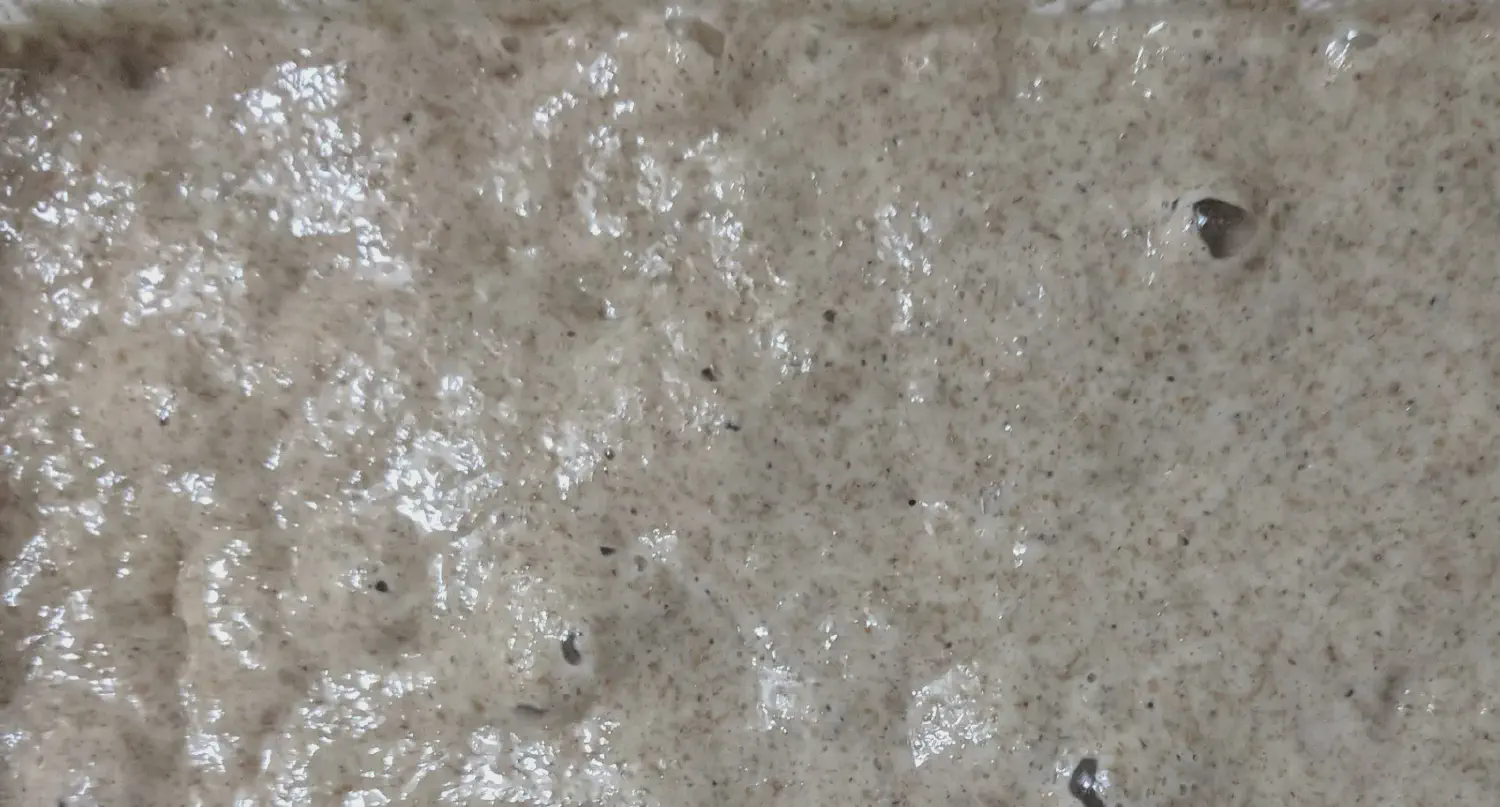
Every sourdough recipe calls for “fed” or “unfed” starter and almost none of them explain what that actually means. I spent way too long piecing this together from forum threads and trial and error, so here’s the clear version.
What Is Fed Sourdough Starter?
Fed starter is starter you’ve recently fed (equal parts flour and water by weight) and allowed to ferment. It’s at peak activity roughly 4 to 12 hours after feeding, depending on your kitchen temperature and how mature your starter is. At peak, it’s bubbly, domed on top, and has roughly doubled in size.
This is what most sourdough bread recipes call for. The yeast population is at its highest, which means the starter can leaven your bread on its own without commercial yeast.
What Is Unfed Sourdough Starter?
Unfed starter (also called sourdough discard) is starter that’s past its peak. It hasn’t been fed in a day or more. It’s flatter, more liquid, and smells more sour, almost vinegary. The yeast has exhausted most of its food, so it won’t raise bread reliably on its own.
Recipes that call for unfed starter or discard almost always include commercial yeast or baking soda to handle the leavening. The starter is there for flavor and texture, not lift. Think pancakes, waffles, crackers, pizza dough.
The Float Test
The float test is the simplest way to check if your starter is ready to leaven bread. Drop a small spoonful into a glass of room temperature water. If it floats, the starter has enough gas trapped inside to raise dough. If it sinks, it needs more time or another feeding.
A few things that trip people up:
- Timing matters. Test at peak, not right after feeding. Right after feeding is just flour and water; it hasn’t fermented yet.
- A sinking starter isn’t dead. It just means the yeast hasn’t built up enough CO2 yet. Give it a few more hours in a warm spot and test again.
- The test isn’t perfect. Some very hydrated starters (more water than flour) sink even at peak. If yours is wet, go by visual cues instead: doubled in size, bubbly throughout, domed or just starting to fall.
Fed vs Unfed: Quick Comparison
| Fed (peak) | Unfed (discard) | |
|---|---|---|
| Timing | 4-12 hours after feeding | 24+ hours since last feeding |
| Appearance | Bubbly, domed, doubled | Flat, liquid, may have hooch |
| Float test | Passes | Fails |
| Leavening power | Can raise bread alone | Needs commercial yeast or baking soda |
| Best for | Bread, rolls, focaccia | Pancakes, waffles, crackers, pizza dough |
FAQ
Can I use unfed starter in a recipe that calls for fed?
You can, but you’ll need to add commercial yeast to compensate. The texture and flavor will be slightly different. More sour, less rise. For a first attempt at a recipe, use what it calls for.
How often should I feed my starter?
If you bake weekly, store it in the fridge and feed it once a week. Pull it out the night before you bake, feed it, and let it peak on the counter overnight. If you bake daily, keep it on the counter and feed it every 12 hours.
What’s that dark liquid on top of my starter?
That’s hooch, a layer of alcohol that forms when your starter is hungry. It’s not harmful. You can stir it back in (more sour flavor) or pour it off (milder flavor). Either way, feed your starter. It’s telling you it’s overdue.